
Best Ute Tyres for Tradies on the Job
A ute that carries tools, materials, and trailers all week has different tyre needs than one that is mostly doing the school run. The three things worth thinking about first are load rating, sidewall durability, and tread life, roughly in that order.
Load rating (or load index) tells you how much weight the tyre is rated to carry safely at full pressure. Utes that regularly run near their GVM, especially with a canopy, tool boxes, or a loaded tray, benefit from a tyre with a higher load range rather than the base-spec tyre the vehicle might have left the factory with. Running an underrated tyre under a heavy load is one of the more common (and avoidable) causes of premature tyre failure on work vehicles.
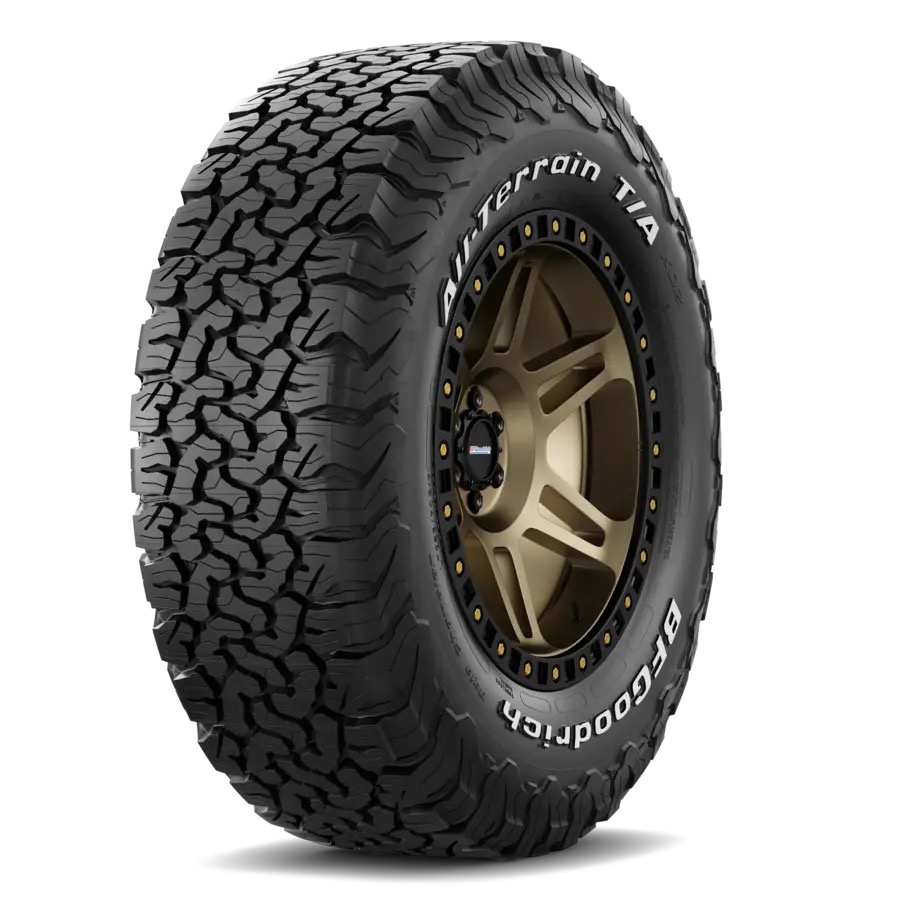
Sidewall strength matters because tradie utes spend more time on kerbs, gravel driveways, and building sites than the average passenger car. A tyre built with a tougher sidewall construction handles that abuse better and is less prone to cuts and impact damage. This is one of the reasons all-terrain (A/T) tyres are so popular on work utes even when most of the driving is still on sealed roads: the extra sidewall protection earns its keep.
Tread pattern and compound affect how long the tyre lasts under constant load and how it copes with mixed surfaces, from bitumen to muddy sites after rain. A highway terrain tyre will generally wear longer and run quieter if the ute rarely leaves sealed roads, while an all-terrain pattern is worth the trade-off in road noise if the vehicle regularly sees unsealed sites. There is no single best ute tyre for every tradie, since the right choice depends on how the vehicle is actually used day to day, but getting the load rating right is non-negotiable regardless of which pattern you land on.