
4WD Tyre Pressure Guide for Real Tracks
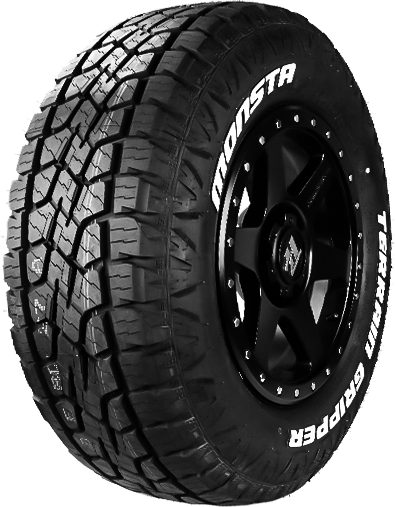
Tyre pressure that is perfectly correct on the highway can work against you the moment you leave sealed roads. Lowering pressure for off-road conditions increases the tyre’s contact patch and lets it flex over obstacles instead of bouncing across them, but the right number depends heavily on the terrain.
For firm, well-formed gravel roads, a modest reduction from your normal highway pressure is usually enough, mainly to soften the ride and reduce the chance of sidewall damage from sharp stones. For soft sand, you generally need to go noticeably lower again, since the goal is to spread the tyre’s footprint as wide as possible so the vehicle floats over the surface rather than digging in. Corrugations respond well to a moderate pressure reduction too, since a slightly softer tyre absorbs the repeated small bumps instead of transmitting every one of them straight into the cabin.
Mud is a bit different again. Here the priority shifts toward letting the tread flex and clean itself out between the tread blocks, which generally favours a lower pressure than a firm gravel track, but not necessarily as low as deep sand, since you also need the sidewall to stay firm enough to avoid the tyre rolling off the rim under sideways load.
Whatever pressure you drop to, the same rule applies everywhere: reduce speed to match. Lower pressure means more sidewall flex and more heat build-up at speed, so a pressure that is perfectly safe at 40km/h on a beach can become risky much faster than expected. And always carry a reliable way to reinflate before returning to the highway, since running significantly under-pressured tyres on sealed roads for any distance causes rapid, uneven wear and increases the risk of overheating.