
Tyre Repair vs Replacement: What’s Safer?
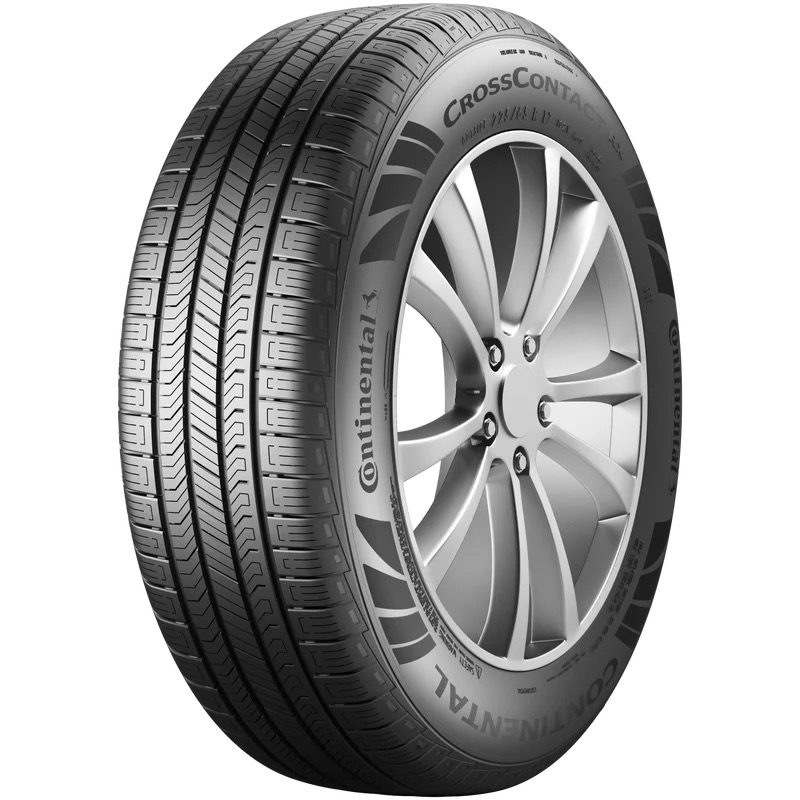
A puncture does not automatically mean buying a new tyre, but it does not always mean a quick patch and you are back on the road either. The right call depends on where the damage is, how big it is, and how much life the tyre has left.
Damage to the central tread area, from a nail or screw for example, can usually be repaired properly if the hole is small (generally under about 6mm) and the tyre still has reasonable tread depth remaining. A correct repair involves removing the tyre from the rim, inspecting the inside for hidden damage, and fitting a proper plug-and-patch combination, not just a plug pushed in from the outside. That distinction matters because an external-only plug can hide internal damage that keeps growing.
Some damage is not repairable no matter how small it looks. Anything in the shoulder or sidewall is a genuine safety risk because that part of the tyre flexes constantly and a repair there is far more likely to fail. Cuts, bulges, or exposed cords anywhere on the tyre also mean replacement, as does a tyre that has been run flat for any distance, since the internal structure can be damaged even if the outside looks fine afterward.
Tread depth plays a part too. Even a technically repairable puncture is not worth patching on a tyre that is already close to the legal minimum, since you would be paying for a repair on a tyre that needs replacing soon anyway. As a rule of thumb, if the tyre has plenty of tread left and the damage is central and small, a repair is usually the safer and more cost-effective option. If there is any doubt, we would rather tell you honestly that a repair is not safe than patch something that should be replaced.