
How to Read Tyre Sizes Without Guesswork
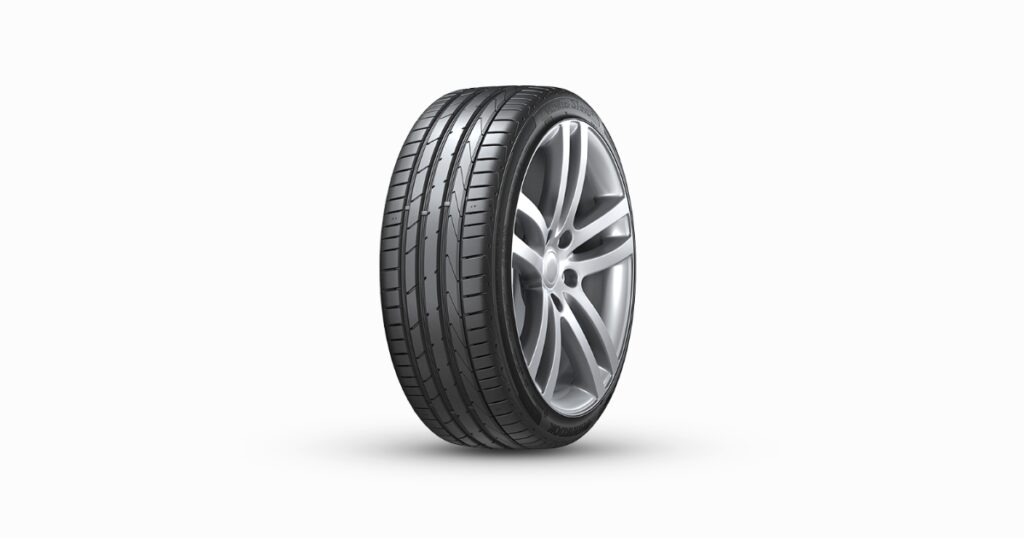
Every tyre has its size stamped right on the sidewall, but the string of numbers and letters can look more like a password than useful information. Once you know how to break it down, though, it takes about ten seconds to read.
Take a size like 215/55R17. The first number, 215, is the tyre’s width in millimetres, measured from one sidewall edge to the other. The next number, 55, is the aspect ratio: the height of the sidewall as a percentage of that width. A lower number means a shorter, stiffer sidewall, which is why sportier cars often run lower profiles. The letter R simply means radial construction, which is how almost every modern tyre is built. The final number, 17, is the wheel diameter in inches that the tyre is designed to fit.
Further along the sidewall you will usually find a load index and a speed rating, shown together as something like 94V. The load index is a code (not a direct kilogram figure) that corresponds to the maximum weight the tyre can carry per tyre at full pressure. The speed rating is a letter indicating the maximum sustained speed the tyre is rated for. Both numbers matter for safety and for keeping your vehicle’s factory specifications intact, so it is worth matching them rather than just the physical size.
If you are ever unsure, the easiest reference point is your own vehicle. The correct size is usually printed on a sticker inside the driver’s door jamb, in the glovebox, or in the owner’s manual, and it should match what is already on your car unless a previous owner has changed the fitment. When in doubt, bring in your rego details or a photo of your current tyre’s sidewall and we can confirm the right size before you order anything.